
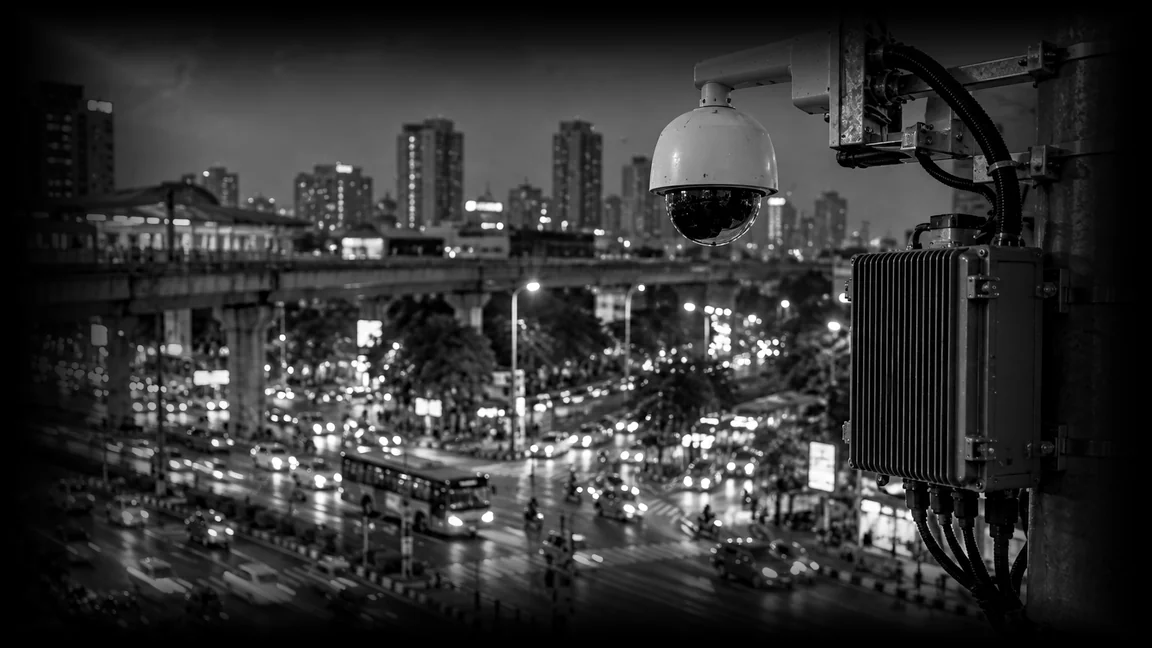
Analyse city video where it's captured.
Edge AI and GPU infrastructure for traffic, public safety and urban digital twins.
The constraint
Hundreds of cameras across a city produce a constant flow of video. Backhauling every stream to a central site is costly and slow, and footage of public spaces carries obligations under India's Digital Personal Data Protection Act from the moment it's recorded. Processing near the camera cuts bandwidth, keeps raw video local and sends on only the events that matter.
Workloads
Traffic & mobility analytics
Count, classify and track vehicles, cyclists and pedestrians across junctions to time signals and plan routes.
Public-safety video analytics
Detect stalled vehicles, crowding or blocked emergency lanes, and alert operators in the control room.
Urban digital twins
Combine city models with live sensor data to test traffic plans, flood scenarios and new developments.
Infrastructure inspection
Find cracks, potholes and asset damage in imagery from vehicles and drones.
Systems
- GLabs Edge AI — inference at junctions, street cabinets and depots.
- GLabs GPU Servers — central model training and digital twin simulation.
- GLabs Vault — event data, imagery archives and model versions.
Deployed with
GLabs AI Stack for video analytics models. GLIDS for digital twin and visualisation systems.
Related solutionsComputer Vision & Video AIDigital Twins & Design Walkthroughs
FAQs
How do you handle privacy in public-space video?
Edge systems can blur or discard faces and number plates before anything leaves the device, sending on counts and events instead of footage. Faces and number plates are personal data under India's DPDP Act, and we design each deployment to stay within the rules where it runs.
Can we use our existing cameras?
Usually, yes. Most modern IP cameras publish standard video streams that edge systems can read. We check resolution, frame rate and placement against the analytics you need.
Why not send all the video to a central data centre?
Bandwidth and cost. Continuous high-resolution streams from many sites fill backhaul links quickly. Processing at the edge sends a small fraction of the data and keeps response times short.
What does an urban digital twin need?
A 3D city model, live feeds from sensors and cameras, and GPU capacity to simulate and render scenarios. We size the central system to the area modelled and how often it updates.
Start with one junction or one district. Scale from there.
All product and company names mentioned are trademarks of their respective owners.